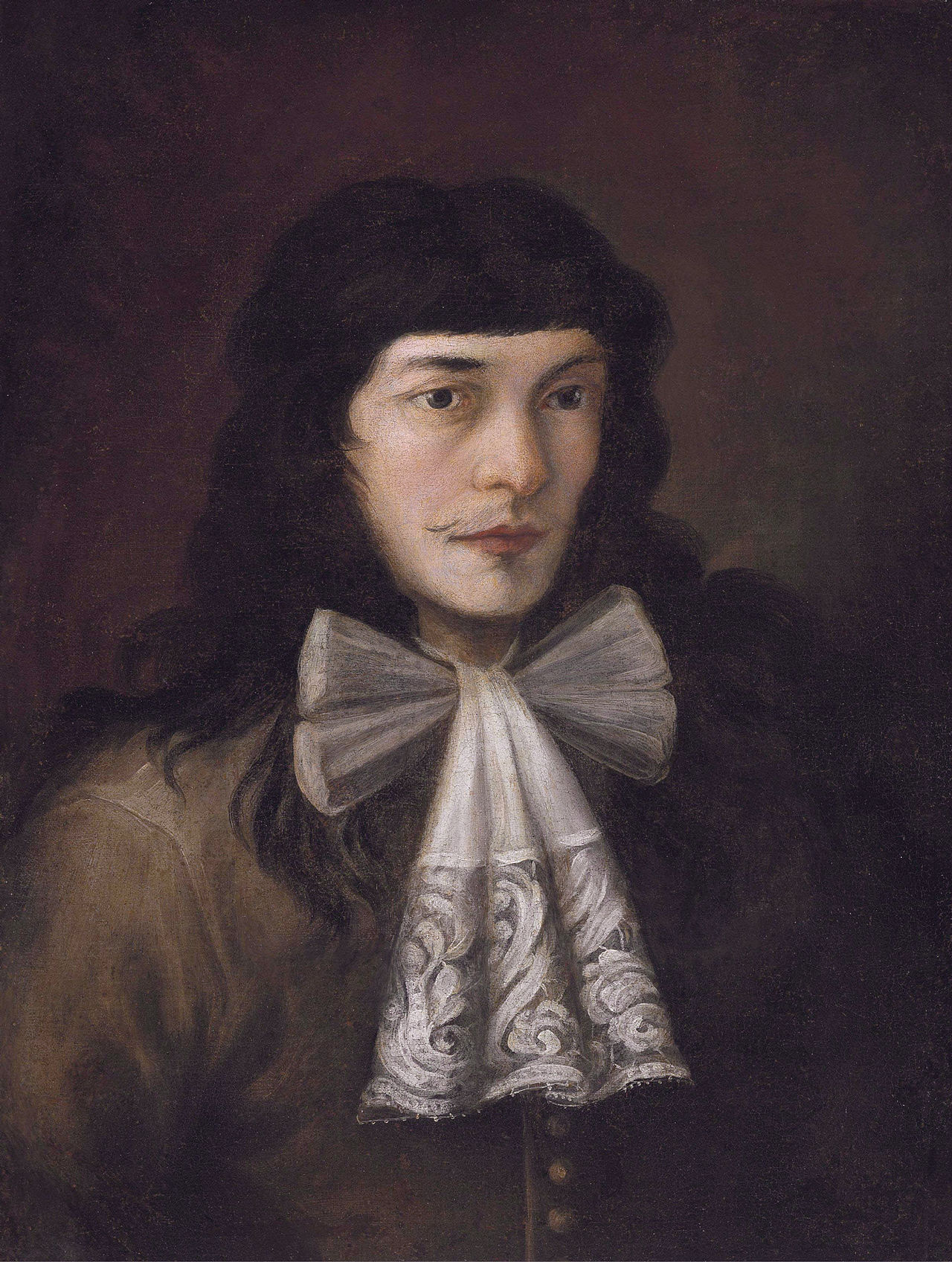
Alessandro Magnasco
1667-1749
Alessandro Magnasco, nicknamed il Lissandrino, was a Genoese painter who spent most of his working life in Milan, with a sojourn in Florence around 1703–1711 painting for the Grand Duke Cosimo III de' Medici. Trained under Valerio Castello and later Filippo Abbiati, he developed after 1710 a highly personal style: small, dark-toned canvases crowded with jittery, elongated figures rendered in rapid, flickering brushstrokes. He favored eerie ruins and gloomy landscapes, often painted in collaboration with specialists like Tavella and Clemente Spera, populated with beggars, monks, hermits, brigands, and scenes as unusual as Quaker meetings, synagogue rites, or Inquisition interrogations, their exact meaning left ambiguous. Though better appreciated by outside patrons such as Milan's Arese and Casnedi families and the Florentine court than by his own Genoese contemporaries, Magnasco's nervous, almost dissolving figures anticipated later painterly touch-based styles and are thought to have left a mark on artists like Marco Ricci and the Guardi brothers. He returned to Genoa in 1735 and died there in 1749.